Six patients with chronic spinal cord injury and post-traumatic syringomyelia were treated with their own (autologous) mesenchymal stem cells, delivered directly into the syrinx region of the spinal cord, and followed for six months.
This is a different kind of evidence than a single case report: a small, formal clinical trial from a Spanish research team, published in the journal Cytotherapy.
What they did
- Six paraplegic patients with post-traumatic syringomyelia.Each received 300 million of their own mesenchymal stem cells delivered inside the syrinx.
- Six months of follow-up.Clinical scales, imaging (MRI), urodynamic, neurophysiological, and ano-rectal studies were used to look for change.
What they observed
- Reduction in syrinx size on imaging.At the end of the study, MRI showed a clear reduction of the syrinx in every patient.
- Improvement in motor and sensory function.Several patients improved on neurophysiological testing, bladder and bowel function, spasticity, and neuropathic pain.
- No major safety concerns reported.Only two adverse events occurred, and neither was related to the cell therapy.
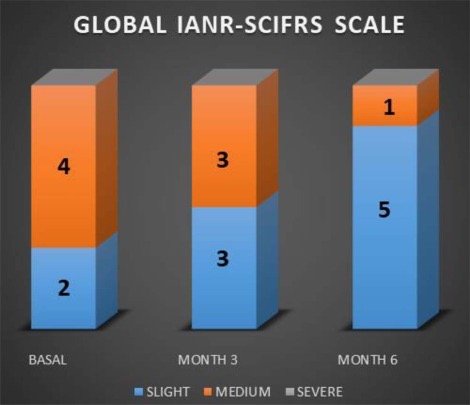
Why it matters
Traditional treatments often don’t reverse damage. This approach targets the underlying spinal cord environment, not just the symptoms.
What the study actually shows is that stem cell therapy may reduce syrinx progression, support neural repair, and improve function, not just symptoms. Early evidence like this suggests it could be a true disease-modifying approach rather than management alone.
But keep in mind
- Still early-stage.This is a phase 2 trial, not the large, controlled studies needed for a treatment to become standard.
- Small patient population.Six patients, all with post-traumatic syringomyelia after spinal cord injury, which may not reflect other causes of a syrinx.
- Needs larger, controlled trials.Without a comparison group, it is hard to know how much of the change came from the cells themselves.
One of the strongest early signals that regenerative medicine could change how we treat syringomyelia, not just how we live with it.
This is the kind of research our Regenerative Therapy Access Program exists to move forward. Read the full study, then see how we are helping patients access regenerative care today.
Disclaimer
This summary is for informational and educational purposes only and is not medical advice, diagnosis, or treatment. It describes what happened in a specific study and does not predict what will happen for you. Never start, stop, or change a treatment based on a summary; bring the full publication to your care team and decide together. I AM HEARD Coalition assumes no liability for any actions taken based on this information.
More from I AM HEARD
See how we fund regenerative care for patients through the Regenerative Therapy Access Program, read the first Stem Cells vs Syrinx summary, and explore current clinical treatments.
Research is one part of how we help. Our core programs put resources into patients’ hands now: care packages, the grant program, and regenerative therapy access.